
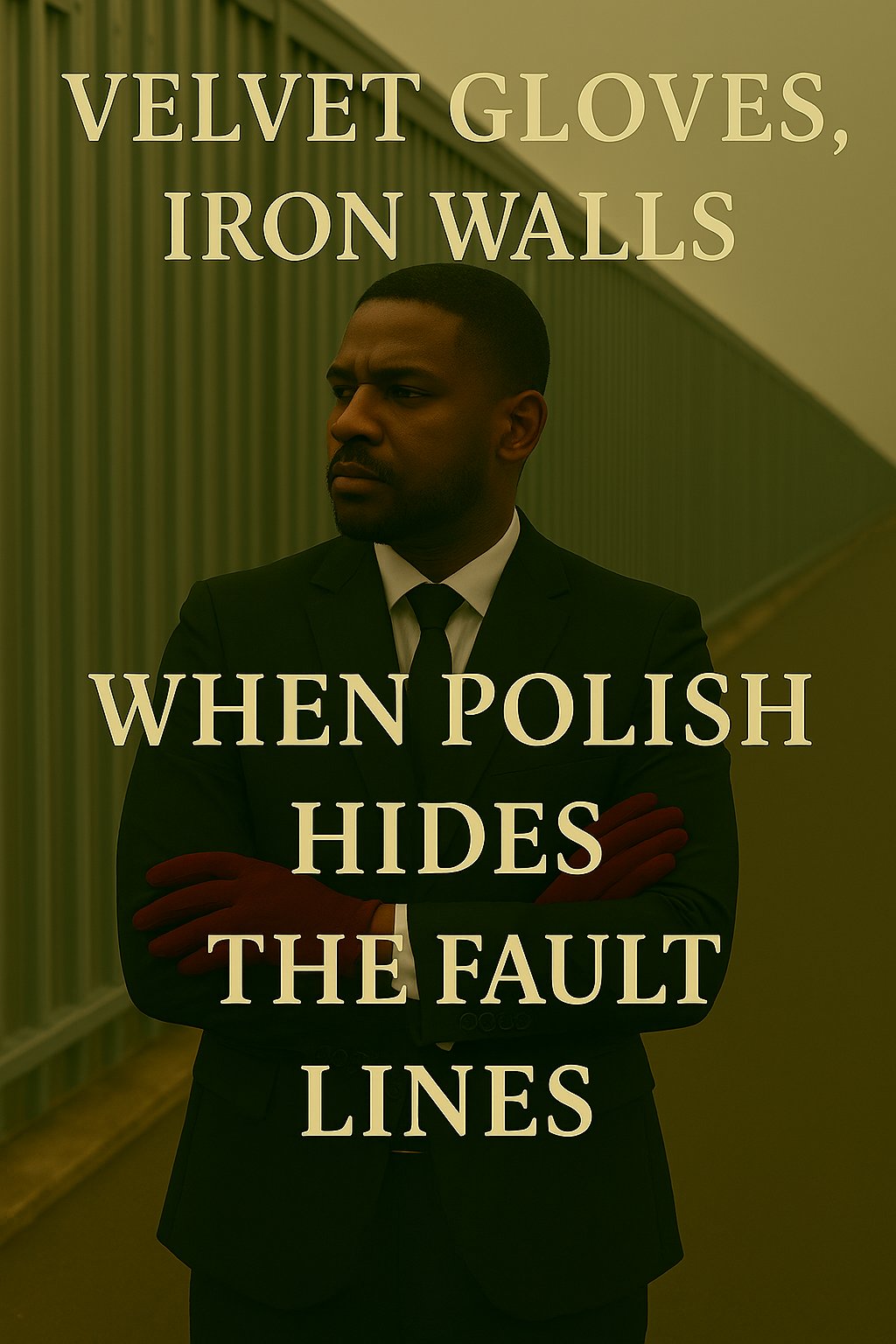

Lessons In Leadership Part 4
Not every polished pilot can navigate a storm—especially when they
won’t listen to the weather report.
When I joined Rea Bana National Institute (Rea Bana), I stepped into an organization admired for its far-reaching
initiatives, and finely tuned project management systems. I was immediately drawn
to the rhythm of precision and professionalism. The organisation didn’t just manage
projects—it engineered them with finesse. From grassroots initiatives to
international collaborations, the organisation had a reputation for delivering excellence
through carefully selected professional teams. It was the kind of organization
where talents, systems, and mission converged—and it worked.
When I was called to lead the organization, I saw
it as both an honour and a challenge—an opportunity to extend our reach, scale
innovative projects, and push boundaries. One of the more complex initiatives
on the table was a global advocacy project centered on human rights, dignity,
and the protection of vulnerable groups. It had sharp edges: policy
reform, legislative engagement, and high-stakes partnerships. It demanded a
steady hand and a visionary mind.
The Perfect Candidate
Dr. Chaka entered the picture like a character written for success. His résumé shimmered like a polished trophy case: a doctorate in law, top-tier university distinction, past leadership in advocacy, published works, prestigious affiliations, and numerous accolades.
The interview panel was dazzled. His charisma was undeniable. Suited with precision, he spoke with grace and gravity—a professional’s professional. To many, he wasn’t just the right candidate; he was the perfect one.
He was endorsed as strategic, reliable, detail-oriented, and ethically grounded. He checked all the boxes. In that moment, we thought we had found the golden thread to stitch this project together.
But what we got was an entirely different fabric.

A Captain Out of Water
Imagine Captain Ray. Celebrated in aviation. He has over40 years of flying experience - thousands of hours in the air, calm in turbulence, revered by crew and passengers alike.
Now imagine Ray is
appointed to command a massive transatlantic cargo ship.
The logic? “He’s a
captain. He’ll adapt.”
He understands navigation, yes, but the tools, tides,
and rhythm of the waves? Entirely unfamiliar.
At first, it’s fine. The sea is calm. But soon, the ship starts to drift. The instruments don’t match the cockpit panels. The instincts that made him great in the air betray him at sea. He issues commands with authority, but they miss the mark. The crew grows uneasy. At this point, charm doesn’t steer a vessel, and charisma doesn’t replace sea-sense. What once made him legendary now exposes his limitations.
Dr. Chaka was our Captain Ray.

He came armed with sharp intellect, but the project didn’t need a theorist. It needed a navigator—someone who could traverse the cultural, emotional, and ethical tides of real-world advocacy. His approach was calculated, but the context required a different skill. The mismatch was quiet at first—then eventually deafening. The project wasn’t just technical; it was ethical. It dealt with power, vulnerability, exploitation, and dignity. It demanded authenticity, and a grounding in values that could not be faked.
The Unraveling
The cracks began
as hairline fractures—missed deadlines, vague updates, misread environments.
But soon, they widened. Delays became habitual. Decisions stalled. His
interactions with the team grew tense. He became defensive, resistant to feedback, and dismissive of input. His team felt silenced, not supported.
Initiatives stagnated. Staff began to work around him rather than with him.
Authority wasn’t earned—it was assumed. And instead of reflecting, he
deflected.
Behind the impeccable presentation was an alarming absence of accountability. And beyond his inability to lead functionally, another fissure appeared. It wasn’t just a matter of skill misalignment. It went deeper.
The Tale of Joe
Imagine Joe...
He spent decades as the legal and public affairs face of a multinational conglomerate infamous for dumping industrial waste in a community. He authored PR reports that downplayed harm, lobbied against tighter regulations, and became a master of delay, deflect, and dilute. He was articulate, polished, and always knew the right thing to say, at the right time.
Then, suddenly, Joe is appointed to lead an
environmental justice campaign. He steps up.
Reinvents his image. Speaks about reform, change, and accountability. His
speeches are stirring. But when push comes to shove, his instincts default to preservation—not progress. He sounds convincing but operates in familiar patterns. Stakeholders begin to notice. His hands raise the banner of reform,
but his feet remain on old ground.
That was Dr. Chaka.

He spoke fluently about social justice but faltered when confronting entrenched beliefs. The unspoken problem revealed itself: for all his brilliance, he held deep seated views that contradicted the project’s mission—particularly around issues of rights, cultural norms, and systemic bias. His rhetoric rang hollow. His boldness felt rehearsed. His body language hesitated when clarity was needed.
Internally, the team began to question the
sincerity of his process. Externally, partners became wary—his messaging
conflicted. He wasn’t sabotaging the mission. But, he wasn’t
serving it either.
When Charm Isn’t Enough
Eventually, it
all came to a head.
The shiniest spanner isn’t always the best tool to wrench a tough nut.
Project
management is not just about credentials or presence. It’s about fit. And Dr. Chaka’s fit was cosmetic at best. He looked the part, sounded the part—but, could not lead the part.
This wasn’t a technical gap—it was ethical
friction. It was about posture. About alignment. You can’t force a misfit into
leadership and expect harmony. The role called for leadership. He preferred a podium.
A brilliant pilot can still crash a plane—especially if he refuses to listen to the meteorologist.
Finding the Fit
Leadership involves second chances—but, it also demands discernment.
Dr. Chaka wasn’t a bad professional, just badly placed. His strengths might have thrived in a policy think tank or academic environment. But in a role requiring authenticity, collaboration, and the courage to confront internal bias, he faltered.
The issue wasn’t whether Dr. Chaka was qualified. He was. But, qualifications alone don’t build reform. Values do. Integrity does. Listening does.
Some people are great at rallying passion. Others speak truth to power. But, few possess the humility to hear truth in return. Dr. Chaka was a compelling voice—but a misaligned leader.
Reflection
Leadership
appointments should never rely solely on what’s on paper. Charm cannot replace
alignment. A compelling résumé is no guarantee of ethical clarity or emotional
maturity.
Leadership requires recognizing when someone is in the wrong role. The loudest in the crowd may falter when handed the gavel.
Some are brilliant in crisis, fierce in advocacy, passionate in debate—but struggle to build consensus, share power, or walk humbly with a team. Leadership is not about who shines the brightest—it’s about who listens deeply, adapts wisely, and leads with integrity.
Presentation is not performance. Credentials are not conviction. And charm, though attractive, is no substitute for character.
In the end, Dr. Chaka reminded me of a hard truth:
Leadership is not about how well you speak—it’s about how well you serve.