


When the world we see is just a
reflection of ourselves, we mistake our shadows for reality.
🖼️The World as a Reflection
John is a lovely, warm-hearted fellow,
effortlessly charming everyone around him. His laughter is contagious, and he
easily forges friendships. But beneath his affable exterior lies a subtle
contradiction.
Whenever he's out with friends or
colleagues—enjoying drinks and casual conversation—John’s cheerful demeanour
shifts the moment talk turns to industry achievements. He quickly dismisses
others' successes, confidently asserting—without evidence—that the numbers are
fabricated, the accolades undeserved, and the victories unearned.
Ironically, these dismissive claims
mirror John’s own insecurities and hidden envy. Behind the scenes, he quietly
alters figures, padding his performance reports to appear more successful than
he truly is. His criticisms aren't based on fact—they are projections of the
very behaviours he tries to conceal within himself.
Projection—this curious mirror—is our
tendency to see our darkest traits reflected back at us in others. From tense
social media debates to whispered conversations and political posturing,
projection colours our interactions, often silently shaping our relationships
and distorting our view of the world.
🪞A Mirror We Avoid
We
like to think of ourselves as fair, self-aware individuals. But what if some of
the ugliest things we accuse others of are shadows of our own actions or fears?
What if the judgment we pass is not a lens into truth—but a mirror reflecting
what we wish to disown?
Consider
Sarah, a finance officer at Elaris Global Solutions, a multinational consulting firm. She repeatedly raised alarms about a
colleague she accused of financial misconduct—claiming to have spotted
inconsistencies in procurement reports and warning of potential fraud. Her
crusade for accountability became a constant drumbeat within the team, as she
frequently demanded reviews, challenged expense claims, and created growing
tension among her coworkers.
But in
a twist of irony, it eventually emerged that Sarah herself had been
manipulating internal budgets—reclassifying personal expenses as project costs
to evade scrutiny. The fraud she projected onto others was, in fact, her own.
Sarah’s action is psychological projection in action. It’s when we cast our inner guilt onto others as a shield. Rather than confronting the discomfort within, we deflect it outward—pointing fingers to protect our fragile sense of self. It’s not just common; it’s a subtle form of survival. Projection offers a temporary refuge from shame, allowing us to preserve our self-image.
Projection
acts as a psychological barrier—a defence against truths too painful to face.
The principle is simple: the more
uncomfortable we are with something in ourselves, the more likely we are to see
it in others.
Think about it: a cheat believes everyone is cheating. That’s not just a clever saying—it’s a defence mechanism. By accusing others, we silence the inner voice of guilt and shift the spotlight away from our own failings. In Sarah’s case, it was never truly about justice—it was about hiding in plain sight.
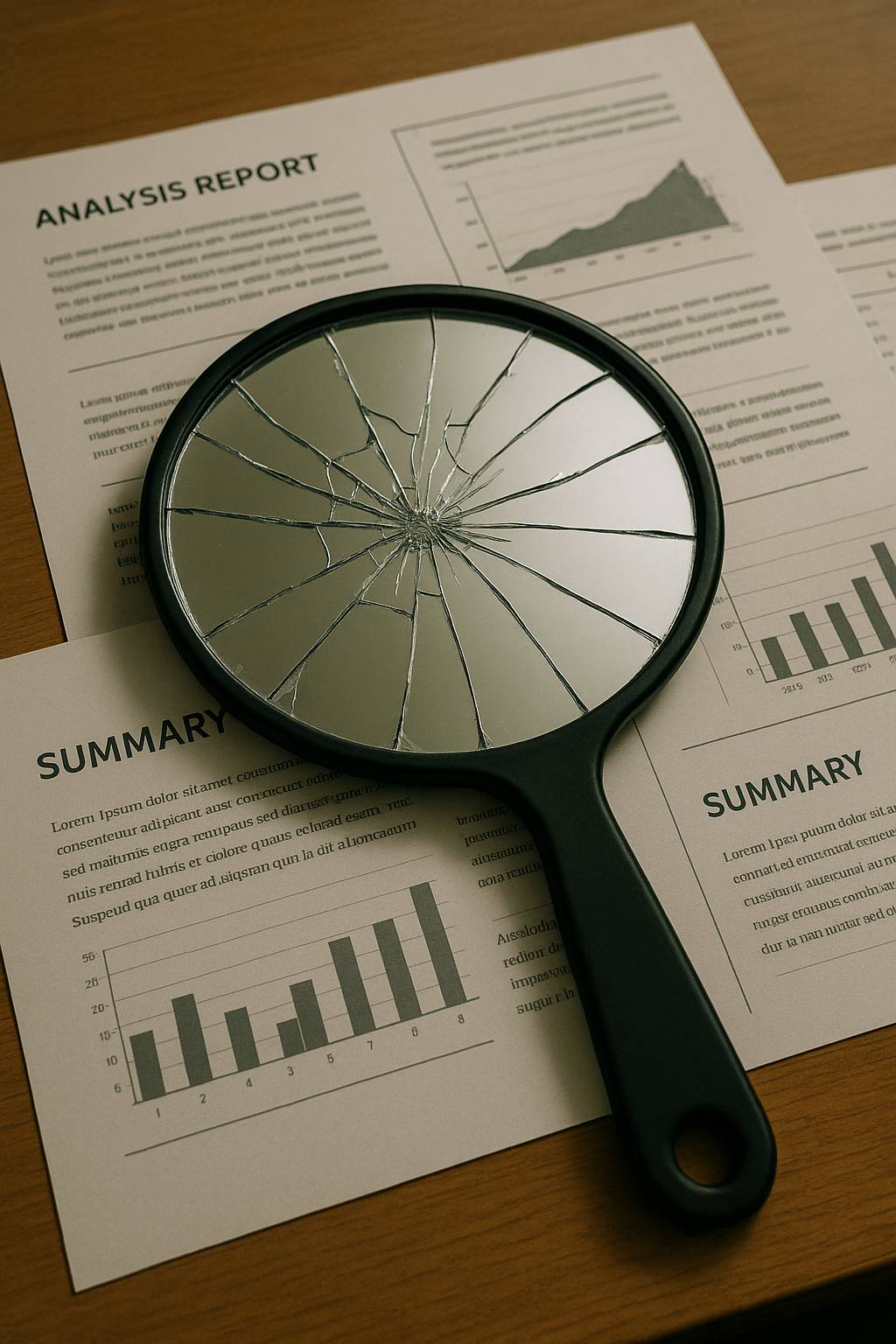
🎭Projecting Our Worldview
Sometimes projection doesn’t come from guilt—it comes from a warped belief that our actions are universally shared. That everyone thinks and behaves just like we do. This is the false consensus effect. It is what happens when someone excuses their faults by assuming the whole world is playing the same game.
Take
Nadia, for instance. She’s been unfaithful in her relationship for a long time.
When confronted by a close friend, she brushed it off with a chuckle:
"Come on, everyone cheats—it just depends on how you play the game. Just don’t get
caught."
Nadia
convinces herself that everyone around her behaves the same way, using this
belief to normalize her choices. Why? Because admitting she had done something
wrong would mean confronting the discomfort of being different—or worse, being
judged. To avoid this, she extrapolates her behaviour, inflating the sense of
consensus to make her actions feel typical.
The
logic is simple: if “everyone does it,” then it must not be so bad. Assuming
the world operates the way that we do feels safer—it shields us from guilt and
gives us the illusion of belonging. And we don’t stop there. We search for
stories, articles, and even experts who echo our thinking. We point
to television interviews, blog posts, trending social media videos—anything that supports
our version of reality.
In
doing so, we manufacture legitimacy. We transform personal choices into
perceived norms, not because they are right, but because they feel less lonely
when imagined as part of the majority.
Consider
the person who evades taxes yet insists, “Everybody does it.” It’s not just
about deceit—it’s about self-preservation. By assuming their behaviour is
universal, they shield themselves from scrutiny and protect against the
isolating discomfort of being wrong.
The false consensus effect disguises insecurity as confidence. It transforms personal flaws into presumed social or group norms. And much like projection, it distorts how we relate to others—dulling our emotional insight and deepening our cynicism.
🧍🏽♀️The Image Behind the Mirror
We
live in a world where our actions are constantly under judgment—by peers, by
systems, and most of all, by the society. In such a world, appearances matter.
We strive to look composed, competent, and morally upright. If we hold an opinion,
we want it to be validated. If we make a choice, we want it to be seen as right.
- This is why we project.
Every
act of projection carries a reason—a silent motive that drives it- not
just misdirection; it is self-preservation.
We
project not because we are cruel, but because we are afraid. Not because we
seek harm, but because we seek to hide.
Behind
every accusation, behind every pointed finger, lies a concealed fear:
· Guilt
and shame we refuse to face.
· Deep
insecurities whispering that we’re not enough.
· A
desperate attempt to preserve the image we want the world to see.
Take for instance, a mayor who constantly accuses his political opponents of scandal
and moral failure. At every press conference, he ridicules their personal
lives, raises questions about their character, and parades as the guardian of
public virtue.
But
what the public doesn't see is this: behind his outrage lies a tangled web of
private misdeeds—broken relationships, hidden debts, and moral lapses that he
dares not confront.
For
him, projection is not merely a tactic; it’s a shield.
By
turning the spotlight outward, he keeps his own flaws in the dark.
At its core, projection is a diversion.
It casts our shadows onto others so we can remain comfortably unseen.

⚠️The dangers beneath the accusations
Projection
may begin as a quiet defence mechanism, but when left unchecked, it becomes a
corrosive force—subtle, pervasive, and deeply damaging.
When
individuals constantly project their fears and faults onto others,
relationships become strained. Trust erodes - replaced by suspicion and blame.
Over time, the warmth of connection is replaced by defensiveness, making honest
communication nearly impossible.
In the
workplace, projection can transform once-collaborative environments into toxic
battlegrounds. Teams fracture under the weight of veiled accusations, and
morale suffers as people begin to second-guess each other’s intentions.
Creativity and cooperation give way to fear and territorialism.
On a broader scale, unchecked projection
reinforces stereotypes and fuels prejudice. When people assume their discomfort
stems from others—rather than their own bias—conflicts escalate. Communities
fracture, and dialogue breaks down. Humanity—the lifeblood of genuine
connection—begins to wither, gradually replaced by performative acts.
Ultimately, projection erects barriers to growth and understanding. It distorts reality and disconnects us from the people around us. Without awareness, we don’t just misjudge others—we lose the chance to truly see them. And in doing so, we also lose sight of ourselves.
🔍 Recognizing the Reflection
Can we
recognize projection when it’s happening? Not always. Intentions are often
hidden, even from the people acting on them. Yet, with careful attention, we
can begin to sense when criticism comes from a place of genuine concern—or from
a deeper, more personal disquiet.
Projection
tends to wear a few familiar masks.
It may appear as persistent accusations made without
credible evidence, where the urgency seems to outweigh the facts. It often
reveals itself in sudden, irrational emotional outbursts over seemingly minor
issues—overreactions that hint at a deeper wound beneath the surface.
And
perhaps most telling, it shows up when someone's behaviour starkly contradicts
their accusations—when the loudest voices against dishonesty, for instance, are
quietly bending truths of their own.
As a gentle compass for the soul, when
the heart stirs like thunder—racing in anger at someone else’s supposed
faults—pause. Take it as a signal…
Ask not just what they’ve done—but what within you is being stirred.
Because, what we refuse to face within will find a way to shape the world around us—and we’ll mistake its echo for truth.
Recognizing
projection starts with cultivating mindfulness and emotional clarity. It means being honest about our biases before they bend our perception. It
means being open to feedback from people we trust—friends, colleagues who can
gently reveal blind spots or even strangers. It means taking time to look
inward, to ask the uncomfortable questions, and to face the insecurities we've
buried beneath years of defence and justification.
Each
conscious step toward self-awareness clears the fog.
And as the mirror begins to shine again, what we see might surprise us—not
just our flaws, but our capacity for growth, connection, and truth.
🌿 Toward the Courage of Clarity
Projection
is the mind’s way of outsourcing discomfort. It transfers our hidden fears,
shame, or flaws onto others—shielding us from painful self-confrontation. While
it may offer temporary relief, it distorts reality, erodes trust, and
disconnects us from both ourselves, and those around us.
But
recognizing projection is profoundly liberating.
It’s not just an act of self-awareness—it’s a path to freedom. When we
acknowledge our projections, we begin to untangle the stories we've told
ourselves. We stop confusing judgment for truth. We create room for emotional
insight. We allow genuine connection to flourish, and we open channels for
honest conversations.
The
journey from projection to authenticity isn’t just self-improvement—it is
transformative liberation. As we clean our mirrors, as we wipe away the fog of
defensiveness, we begin to see others clearly. More importantly, we begin to
see ourselves—our hopes, our hurts, our humanity.
Let us then choose courage. Let us bravely gaze into the mirror, not to project our shadows onto others, but to reflect with grace and honesty. Not to hide—but to be seen.